Tuesday, 13 August 2013

Feel the fear and read it anyway: Bruce McCabe's Skinjob


Skinjob: a must-read for 2013?

I'm finding nothing more tiresome at the moment than coverage of next month's Federal election. So the other morning when my lovely husband brought me a cup of tea and the iPad so I could read the Sydney Morning Herald in bed, I quickly flicked past the front page.

It wasn't long before I happened across the entertainment section where I read about Bruce McCabe, author of new techno-thriller, Skinjob. McCabe has recently been discovered by Christopher Little (J. K. Rowling's former agent) and is poised for literary fame and fortune.

According to the SMH, McCabe's debut novel is one to watch. "Set in Silicon Valley, the futuristic techno-thriller follows a mass murder investigation by an FBI agent with a lie detector. The plot explores the future of technology, religion, politics and sexuality."

Reading the Herald's account of the book, I wasn't sure it would be one for me, but I was impressed by the fact that Little had emailed McCabe to ask if he could represent him.

Fast forward a few hours and I head over to Berkelouw Books in Balgowlah to celebrate National Bookshop Day. There are a few other authors there too, including - to my surprise - McCabe. At first I don't recognise him because he looks like a normal guy - nothing like the moody gun for hire in his publicity shots - but the copy of Skinjob under his arm gives him away and we chat for a while. I discover he's an innovation expert; advising governments and corporates on how technology will shape our futures. In short, I realise that Skinjob may be fiction, but a good deal of it is based on fact.

Bruce McCabe, author of Skinjob: normal guy or gun for hire?

Having spoken to McCabe I decide I must read the book. The first chapter is chilling (you can read it here) and I know I'm in for a hell of a ride. Skinjob is set to be the must-read thriller of 2013. Read it and decide for yourself.


Tuesday, 6 August 2013

A Girl Called Jack: recipes from the breadline:

Jack Monroe's new cook book: A Girl Called Jack will be published early in 2014

Once upon a time I used to read cook books for pleasure. Nigel Slater, Nigella Lawson, Hugh Fearnley-Whittingstall... I devoured their books and their recipes too. These days my cook books languish on their shelf - like most mums I spend a lot of time thinking about food, shopping for and preparing it, but I haven't bought a new cook book for at least five years. This week though, I'll be making an exception and pre-ordering Jack Monroe's A Girl Called Jack from Amazon. In case you haven't heard of her, Jack Monroe is, according to The Guardian, a '25 year old mum, prodigious blogger, austerity cook extraordinaire and breadline veteran.'

Her most famous blog post, Hunger Hurts written a year ago, describes her life at an all-time low - when she was unemployed, hungry and unable to feed her young son:
"This morning, small boy had one of the last Weetabix, mashed with water, with a glass of tap water to wash it down with. ‘Where’s Mummy's breakfast?’ he asks, big blue eyes and two year old concern. I tell him I’m not hungry, but the rumblings of my stomach call me a liar. But these are the things that we do."
Reading Monroe's blog about life in 'austerity Britain' brings tears to your eyes. The silver lining is her grit, determination and culinary creativity. Having determined to feed herself and her child on a budget of just £6 (around AU$10) per week, Monroe shares her 'Below The Line' budget recipes with her readers. Her recipes are a gift - who would complain about eating Brie and Bacon Risotto (26p per portion) or Creamy Salmon Pasta with a Chilli Lemon Kick (27p per portion). I don't think it would be possible to recreate Monroe's recipes quite so cheaply in Australia but they sound so good I'd be willing to give it a try.

A respected and talented blogger, Monroe has a job with her local newspaper now. Her book deal with Penguin is in the bag and things are definitely looking up. Her own life is in the ascendant, but Monroe
hasn't forgotten those who are still living below the line. She's an ambassador for Child Poverty Action Group, writing and raising money for Oxfam, and meeting with British Government advisers to tell them it's unacceptable that half a million people in the UK are relying on food handouts

Twelve months ago, Monroe says she 'was angry about my personal circumstances. Now I’m angry about everyone else’s.'

Most people's reaction on reading about Monroe will be ‘what can I do to help?’ Here's her answer:
"Donate something to your local food bank. Tins, nappies, baby formula, UHT milk, cereals, toiletries, pasta, rice, tinned fruit and vegetables… Volunteer at a children’s centre or a play group – I found the ‘free’ things to do with Small Boy were literally a lifeline to me when I had nothing to do in my day, no money, nothing to look forward to. Visit your local volunteer centre and see how you can help, someone, somewhere. Donate old clothes, shoes and blankets to your local homeless shelter. Don’t step over people in the street – give them the £3 you might have spent on a latte."
And if you have £12.99 to spare, why not buy her book?


Tuesday, 23 July 2013

The book that divided our book group: Close my Eyes by Sophie McKenzie

Sophie McKenzie's Close my Eyes: Did you love it or loathe it?
It was book group at my place this morning. On the menu: coffee, blueberry muffins and Sophie McKenzie's Close my Eyes. It's the story of a novelist who is struggling to cope with life after her baby was stillborn eight years ago and then hears out of the blue that her child didn't die, but was stolen. It's a gripping tale with plenty of action (but happily not much gore) and the plot keeps you guessing until the very last page. Reading a female-centric thriller is refreshing and the book's ending is truly chilling. I actually thought it was the best part of the book and would have started reading the sequel straight away if there was one. 

Most of the women in our group loved it. One of us just couldn't get into it and had given up - but she went away from the group thinking she would try again. 

What I liked less, and this is a common criticism of thrillers of course, is that I found the characters in the book two-dimensional and couldn't engage with any of them. I kept reading because I really wanted to know how the story panned out but, to be honest, I didn't really care about any of the people in the story - even the heroine. That surprised me because, as a writer and mother myself, I fully expected to empathise with her.

Having said that, if you like a good psychological thriller, I'd recommend this book. It's original, gripping while you're reading it and haunts you afterwards. Read it and see for yourself. I'd love to hear what you think...

Sunday, 7 July 2013

Walking on the (literary) dark side

A. M. Homes: is the truth darker than her fiction?

A. M. Homes prize-winning novel May We Be Forgiven is ‘breathtakingly dark’ according to Mark Brown, art correspondent for the The Guardian. I haven’t read it yet but, according to Brown, May We Be Forgiven: ‘has a devastating car crash, adultery and a murder within the space of the first 14 pages.’ Does that sound like too much? I, for one, don’t think so.

I’ve never been a fan of horror movies or thrillers. I don’t like to see blood spill or heads roll; I get frustrated with whodunnits because I’m more interested in the whydunnit. Yet I’m tempted to the dark side when reading – and writing – because books help us explore and interpret that darkness. Many great novels, Emma Donoghue’s Room or Lionel Shriver’s We Need to Talk about Kevin, for example, don’t just have a dark side, but were in fact inspired by heinous human deeds. We all know life can be cruel, so why wouldn’t we expect or want our literature to reflect that? These books have the potential to shine a light into the darkness and help us understand the incomprehensible. The best novels give us both light and shade, the light all the more lovely in contrast to the gloom.

My own novel Burned has been described as dark. To start with I was surprised, I thought I’d written a book celebrating the transforming power of parental love. Now, on reflection, I’m pleased to hear that adjective applied to my writing. Not so long ago I was browsing The Reading Chronicle online and read that someone had committed the very crime that lies at the heart of my book. So to anyone who says they aren’t comfortable with dark novels, I’d simply say: ‘don’t read them.’ But don’t kid yourself: the truth, if I may rephrase an old saying, is darker than fiction.

Monday, 24 June 2013

The reading forecast: 5 great wet weather reads

What's the reading forecast?


It's wet and wild here in Sydney. Frankly, I just want to hibernate. The only good thing about being forced to stay indoors is the extra guilt-free reading time it brings. Fortunately, I've got several books on my to-read list and, as soon as my work is done, I'll be curling up with a hot water bottle and one of these:

1. And the Mountains Echoed by Khaled Hosseini
All I know about Hosseini's new book is that, like his previous novels, The Kite Runner and A Thousand Splendid Suns, it begins in Afghanistan. I loved both these books so that's enough for me. I'll let you know how I get on.

2. Close My Eyes by Sophie McKenzie
Described as a 'riveting psychological thriller about a grieving mother who finds out years after her daughter's death that her child may still be alive,' this book intrigues me for several reasons. The book's subject matter, of course, sounds gripping and I'm sure it will be beautifully written too; McKenzie is a very successful journalist turned author. Who knows, I might even pick up a few tips from her.

3. The Twins by Saskia Sarginson
I lived and worked in London in the '80's. Sarginson did too - she was the editor of Company, a glossy magazine for young women; while I was in PR, trying to garner publicity in magazines such as hers. I didn't really know her, but I did recognise her name when I saw it on the front cover of The Twins. I heard she excelled in her MA in creative writing and am sure this book, probably just the first from this talented Brit, will be a joy to read.

4. The Light Between Oceans by M L Stedman
I was given this book a little while ago and haven't yet gotten around to reading it, possibly because I know I'm going to love it and don't want to fritter it away in 10-minute breaks between jobs. It's described as 'a mesmerising novel of loyalty, love and unbearable choices.' I know it will be one to savour.

Andy Mulligan's The Boy with Two Heads: a book worth sharing?
5. The Boy with Two Heads by Andy Mulligan
I love reading to my two boys and am always on the look out for the next book we can share. The book blurb says: 'How would you feel if you woke up and found another head growing out of your neck? ... a living, breathing, talking head with a rude, sharp tongue and an evil sense of humour. It knows all your darkest thoughts and it's not afraid to say what it thinks.' It sounds like the old Richard E. Grant movie, How to Get Ahead in Advertising - reinterpreted for kids. That's fine with us. It's a great idea for a story and somehow I think Mulligan's version might be even more entertaining.

What's on your to-read list this winter?

Tuesday, 18 June 2013

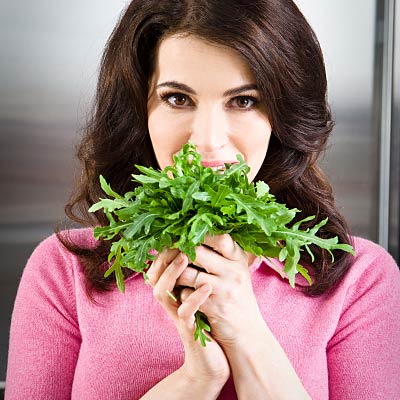
Nigella and Charles: is this their final chapter?


Nigella Lawson: time for a fresh start?

Dark, voluptuous and a great cook, Nigella Lawson is everything I'm not and I like her all the more for it. We don't hear too much about her in Sydney but when we do, she reminds me of my life in London. 

My husband and I were given How to Eat as a wedding present and I bought How to be a Domestic Goddess when I was pregnant with my first son. I loved her elegant and rather camp writing style as much as I loved her recipes. She was part of London weekends too. When The Times  plopped through the letterbox each Saturday morning, I would go straight to the magazine. For her column about beauty and make-up (wittier and more intelligent than you might think) and her first husband, John Diamond's column about his battle with oral cancer. Reading them both was a Saturday morning ritual and I joined the nation in mourning when John died. More than a decade later, I still have Nigella's books on a shelf in my kitchen and dip into them regularly, especially when I'm planning on baking.

She hasn't been much on my radar over the last few years. Those Twinings ads are enough to make me want to give up tea altogether and I haven't bought any of her recent books. But I couldn't have been more horrified to see her on the news this week, with her husband, Charles Saatchi's hands around her throat. I read that Saatchi has now been cautioned by police yet, bizarrely, he claims no real harm has been done:


"Nigella's tears were because we both hate arguing, not because she had been hurt."


If that's what he thinks, Saatchi evidently knows more about fiction than the rest of us. I was relieved to hear that Nigella and her children from her first marriage had left the family home. I hope they don't return. Nigella has already lost her mother, Vanessa; her sister, Thomasina; and her first husband, John. After so much sadness in her life, I'd like to think her story will have a happy ending. After what's unfolded this week, Saatchi is no hero in my book. I hope to God, he isn't in hers.


What do you think?

Friday, 7 June 2013

The wonder of Wonder: 5 reasons I love this book


May was madness in our house. The combination of a well-above average number of writing projects, the kids' school and sports commitments, the impending publication of Burned and all of us bar the dog falling sick, meant my stress levels were at an all-time high. Trying to squeeze more productive hours out of each day, I got up too early, went to bed too late, and ditched every task I deemed 'non-essential'. Sadly, reading was one of the casualties.

So it has taken me weeks to read R. J. Palacio's Wonder. I read the last few pages this morning and am so glad I did. It's one of the best books I've read in ages. Here's why:

1. It's a simple story, beautifully told. The language is restrained, understated and all the more powerful for it. Here's the most famous example:
'My name is August. I won't describe what I look like. Whatever you're thinking, it's probably worse.' 
2. The story allows us to inhabit the minds of kids and adults. As we follow August's journey through fifth grade, we see his story from several points of view. It's a great technique and skillfully used here - all our questions are answered but with the lightest of touches.

3. It's an elegantly structured book - the story arc follows the school year and each bite-sized chapter leaves you wanting more.

4. Its simplicity is deceptive. As I say, in many ways Wonder is a simple tale, but it does pose bigger questions. 'Which side of the fence would I be on in this situation?' for starters.

5. Wonder is, without question, a great read for adults or kids. Better still you can enjoy it together - I'm going to start it with my boys tonight.

There is so much I can learn from this book, as a writer and as a human being. I saw on Twitter that Wonder is being made into a movie. I'll be first in the queue.